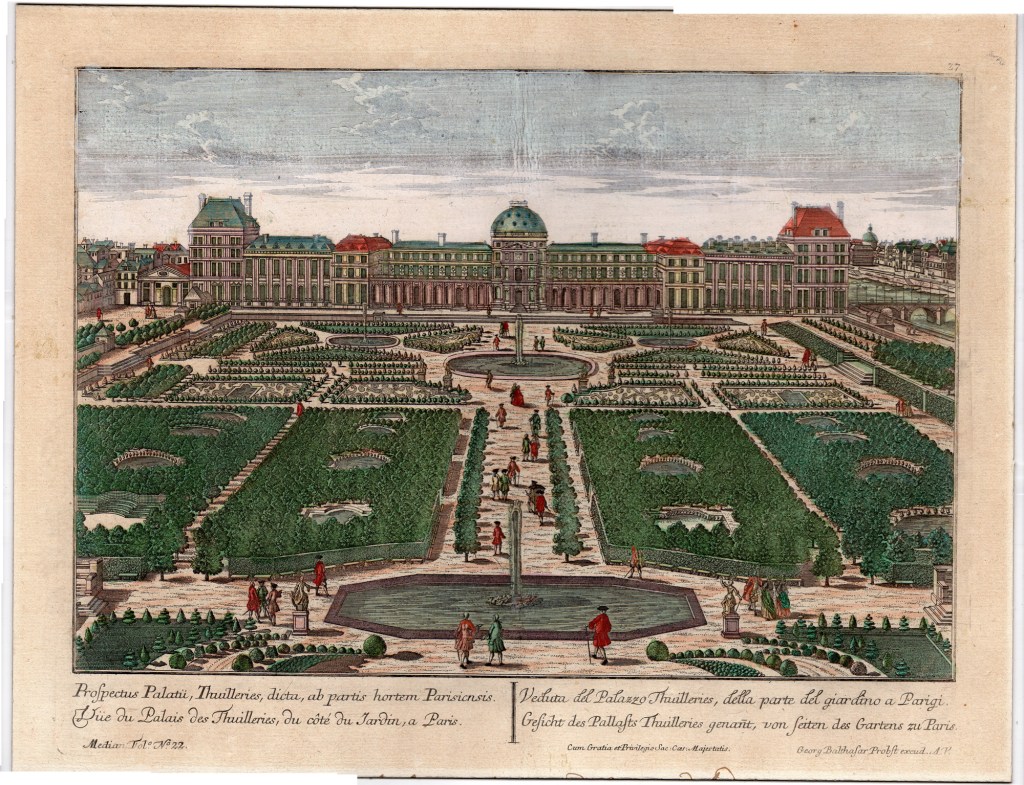
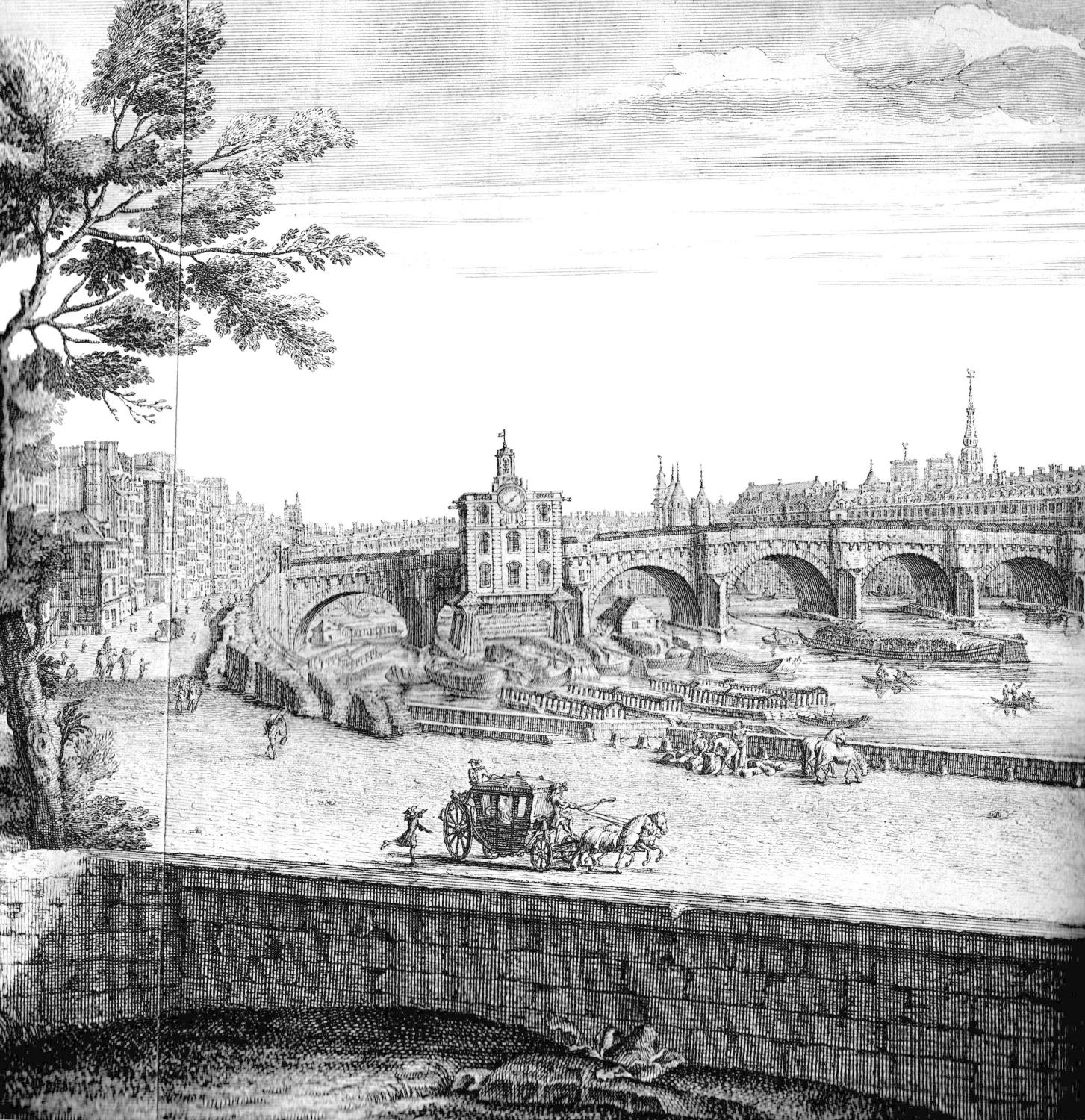
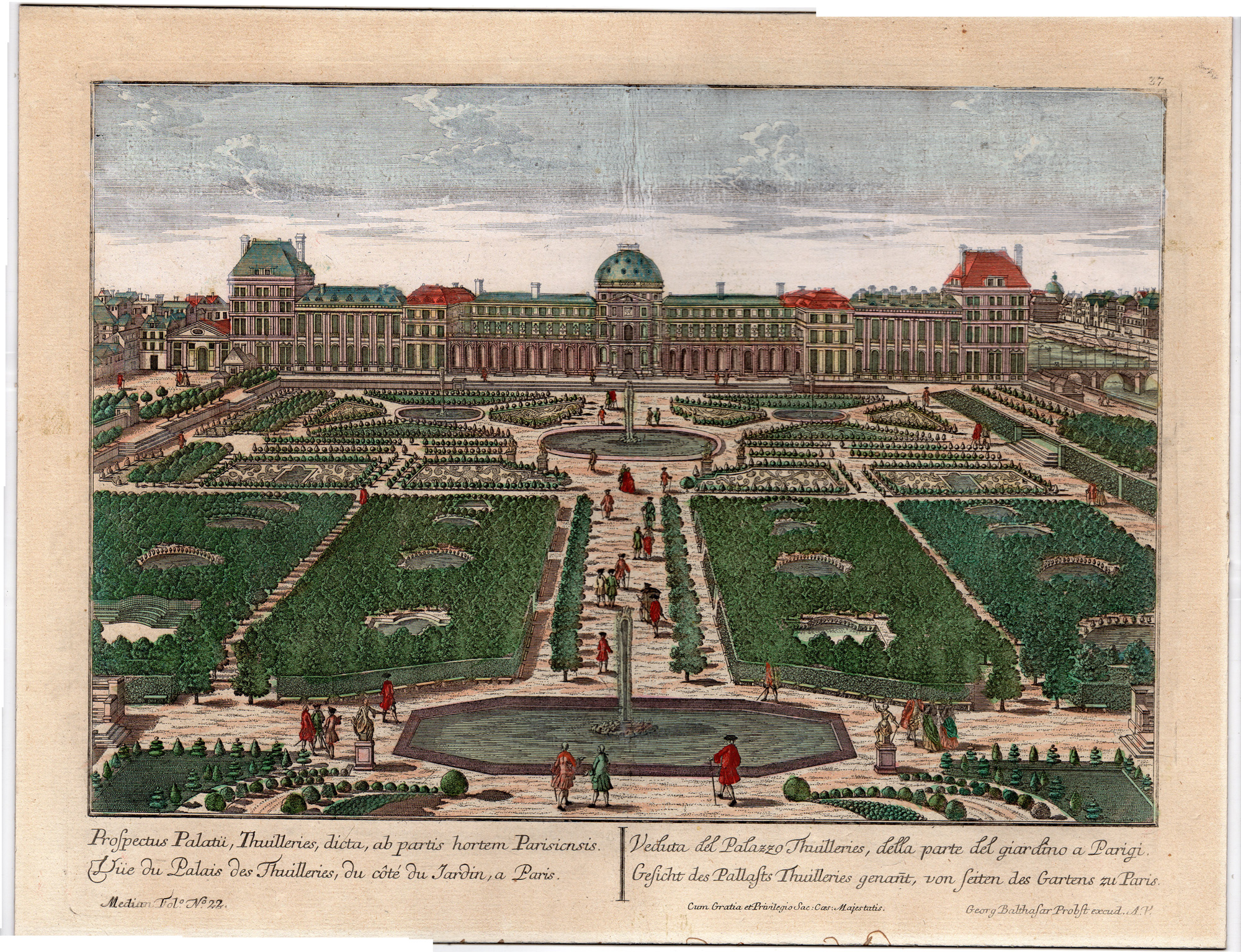
Picture yourself in Paris almost exactly three centuries ago – spring 1725. The main public ‘spectacles’, the Paris Opera, Comédie-Française, and Comédie-Italienne, are forbidden to offer their entertainments during Lent and Passiontide, and remain closed during the still-holy season of Eastertide. The symphony orchestra is in its infancy, and firmly the property of the rich and powerful. And excitement is building as entrepreneurs with the backing of the monarchy prepare to offer one of the first-ever public musical concert series.
What we now call classical music isn’t the anachronism Timothy Chalomée has lately claimed, infuriating the world’s opera, ballet and art music communities – it is just being written! Music exists in three broad categories – plaything of the aristocratic class, handmaid of the Church’s liturgy, and soundtrack to street/folk culture of the fields, theatres, workplaces, drinking establishments and battlefields. Yet here too in the 18th century there is a new, as yet unmet market demand: a new “middle class” that wants to learn, play and teach their children music, and hear it played publicly by the star performers of the day – and crucially, they are able to pay.
These concerts of almost exclusively sacred music, the Concert Spirituel, were held in the Castle at Tuileries annually during Eastertide from 1725 – but unfortunately many French subjects were decidedly not of the middle class, hence the French Revolution, and the meteoric fall of the crown in 1790. Concert Spirituel was revived a few times in different venues through the 19th and into the 20th centuries, including in different places like London and Vienna, and often here in North America in what might be expected to have been their more natural habitat, churches.
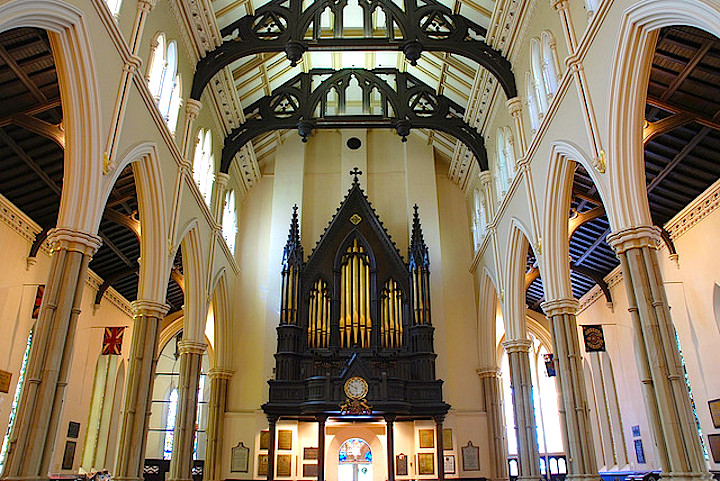
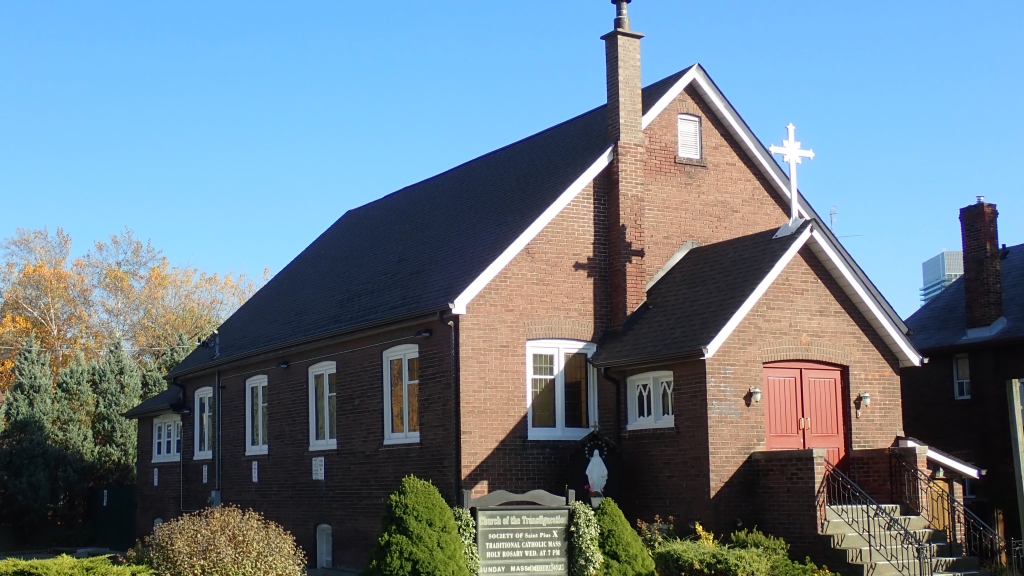
The Church has been patron of centuries of sacred music, but prior to 1725, with only a very few exceptions that music was shared only in services of worship, and definitely not in anything we would today think of as a concert. Throughout my church musical career spanning denominations and cultural traditions, there has always been something ranging from a subtle distinction to a nuclear-level red line drawn between service and spectacle – concerts, even of sacred music, are NOT religious exercises, and services are certainly NOT concerts. However recently the lines have been blurring in the musical imaginarium, and when I was invited to give a Pentecost organ concert this spring at Transfiguration Church the term ‘Concert Spirituel’ was invoked. Since the term has lain somewhat fallow for some time, it has potential for rebirth.
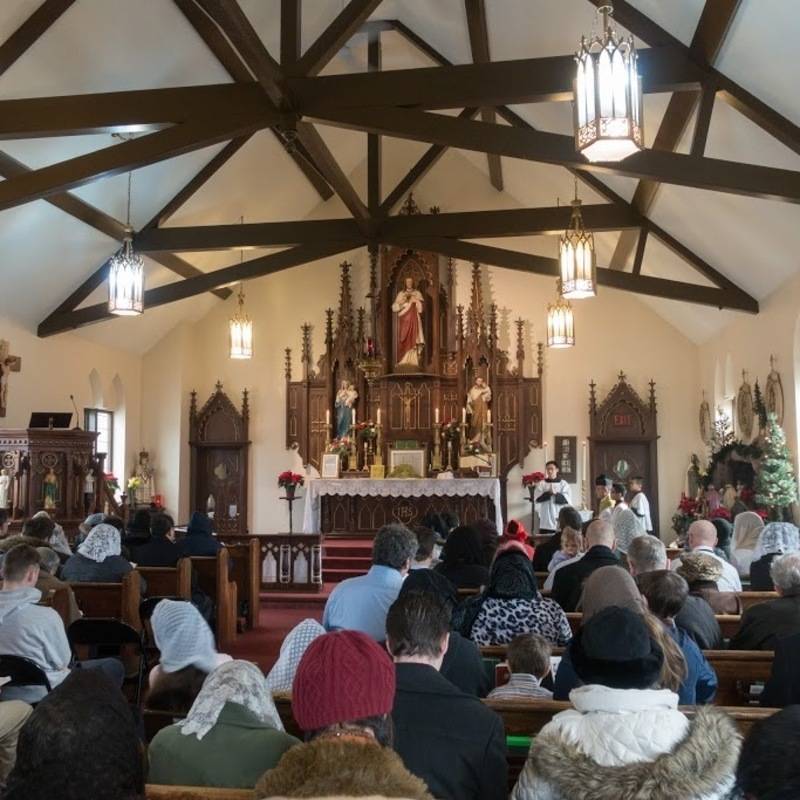
The concert, which took place Sunday May 24th after morning mass, was entirely free admission, though listeners were invited to make voluntary donations in support of Priory building projects. Between opening and closing prayers by Fr Joseph, it featured no speaking and no applause (its music taken as holy, the gift of God through composers, performer and instrument, and inappropriate to be tainted by the affectations of the concert hall). The music lasted 35 minutes, enwrapped in opening and closing prayers, after which all exited the sanctuary, and the appreciative audience was free to thank me in the warmest possible terms.
This version of ‘Concert Spirituel’ is no temporary substitute for opera – it is primarily a devotional exercise for both performer and listener, in an environment of reverence and thanksgiving – and crucially, unconditional welcome by the absence of paid admission. For me as performer it is a sincere gift-offering, and though it eschews many of the trappings of more standard public concerts I routinely give the sense of value of, and appreciation for, what has taken place is palpable. As the secular concert space has more and more encouraged performers like me to be personable, communicative and serving of audience taste and response it was a strangely pure and freeing experience quite different from either a secular concert or a service of worship.
In Europe and North America, organ concerts have a well-established Concert Spirituel tradition, especially before or after services, or at twilight, or weekday lunchtimes (three major Toronto churches sustain lunch hour recitals weekly from September to June, and many more there and elsewhere offer them in smaller seasonal groups, especially weekly in Advent and Lent). Protocols concerning entry donations, applause, compensation of performers, non-sacred musical content, the presence of prayer and spoken commentary vary, but they all honour the organ’s unique voice and legacy within sacred music. Long may they continue to bless their communities.
The Concert Spirituel started in 1725 to serve a public need and a very capitalistic opportunity – to the extent that it exists today in a purer, more human, and perhaps even divine form, it fills a different need and opportunity. Perhaps it might belong in the life of your church?
-CD


Leave a Reply