Daniel Levitin’s “The World in Six Songs : How the musical brain created human nature” never reached the profile of his New York Times bestseller “This is Your Brain on Music” – but it is a book I have found transformative to my own understanding of the human legacy of song. It’s also just the kind of unproveable, totalising proposition that sold me on the idea of metatheory as a way of seeing the world.
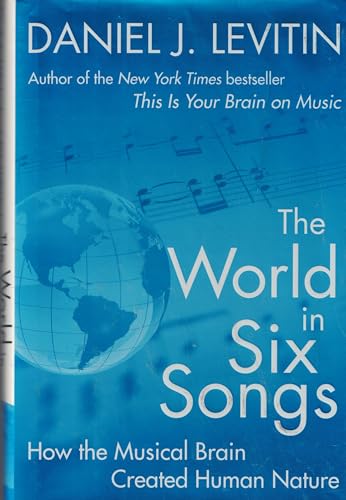
Arguing music’s role in shaping humanity as we understand it, Levitin bravely posits six broad categories of song that have truly formed what it is that we understand it is to be human. Those categories, Friendship, Joy, Comfort, Knowledge, Religion and Love, inevitably require some expansion from regular usage in order to aspire to complete taxonomy. Friendship songs, for example, are more about being the opposite of an enemy – indeed, among its sub-categories are protest songs and national anthems: in short, songs that cause us to identify together.
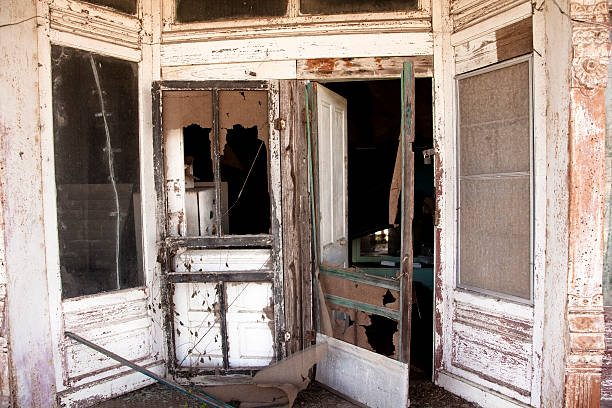
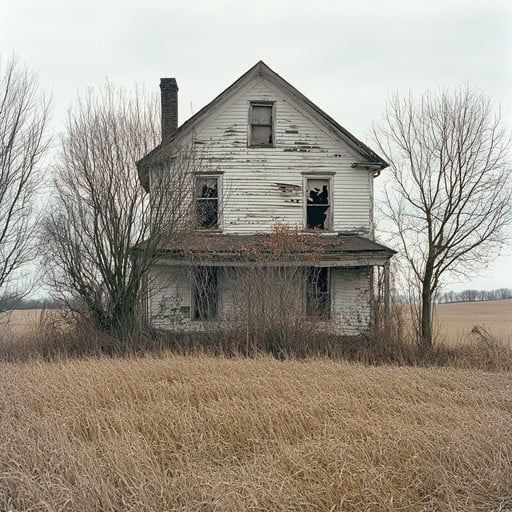
David Francey’s “Torn Screen Door” is a form of protest song against the loss of rural life to corporate agriculture and urbanisation, a familiar and widely-proliferated reality around the world. A character who comes upon a long-abandoned farm house touchingly describes the derelict scene and speculates on the story contained, a hard-working farm family driven out of the business and foreclosed upon who were forced simply to walk away from all they had built, and the only life they had known.
It’s clear that the protagonist is made sad or even angry by his imagined narrative, and like all good protest songs, so are we who hear his account. Francey’s song gives a pass to the slow and piteous classic lament-style in relating the tale, setting instead in a fast-moving, wordy and noticeably passionate style. He writes in a simple, strophic three-voice format that is covered by many folk groups, including above, the Good Lovelies.

I first met “Torn Screen Door” in a choral setting by Kathleen Allan, performed by the Amadeus Choir of Greater Toronto, which she directs. I was struck by how powerfully the arrangement – which begins like Francey’s original with a solo voice and expands to the whole chorus – locates the song within Levitin’s proposition, drawing more and more voices into the tragedy and outrage – or perhaps problematic nostalgia – of declining rural life, not unlike that of fishing in Allan’s home province of Newfoundland and Labrador.
There are other choral arrangements of “Torn Screen Door” out there, and virtually all submit to the folky trope of a poignant, quiet and resigned ending. Conversely Allan’s full-choir finale, complete with defiant, held soprano descant note, breaks that pattern and ends with the complete group virtually shouting, loudly calling out the banks, corporations and systemic economic forces driving the steadily marching story David Francey allowed them to tell.
Levitin’s argument, once again, is that the songs that we have sung and written for thousands of years draw us together and shape our humanity. Unlike some protest songs, David Francey’s “Torn Screen Door” may not be able to save so much as a single farm – but it can clearly assure choir members (and their audiences) of the depth of the loss and the injustice it portrays – and make them one in sharing it.
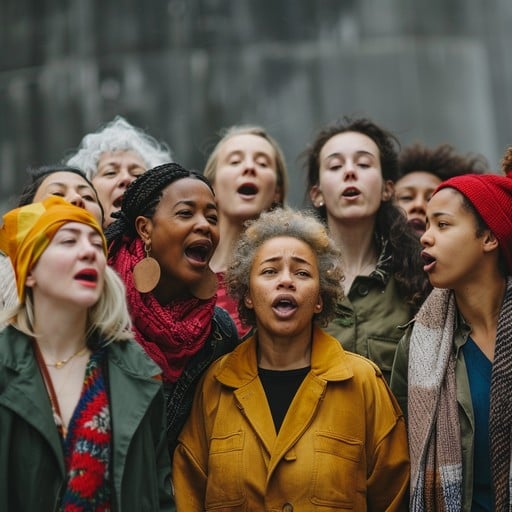
Perhaps it can also help train us up in singing community in ways that can heal and transform our world.
-CD


Leave a Reply